Case Study 02

Spatial Soundfields

A spatial audio case study exploring how binaural and ambisonic sound design can build believable environmental depth, atmosphere, and immersion without visual support.

Final Production

Finished soundfields

Soundfield 01 Binaural

Rainy City Day

A binaural urban soundfield designed to capture the density, movement, and atmosphere of a city environment during rainfall.

Rainy City Day soundfield cover
0:00 0:00

Soundfield 02 First-Order Ambisonic

Zoo Soundscape

A first-order ambisonic soundfield built around the complexity of a zoo environment, using distributed activity and ambient motion to create spatial depth.

Zoo Soundscape cover
0:00 0:00

Soundfield 03 First-Order Ambisonic

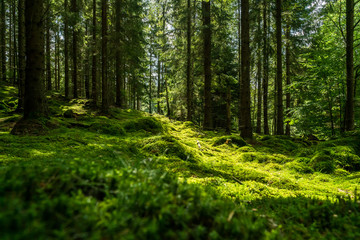
Forest

A first-order ambisonic environmental study focused on openness, subtle movement, and natural depth within a quieter, more expansive soundscape.

Forest soundfield cover
0:00 0:00

About the Production

Project overview

Brief Description

This project explores the construction of immersive environmental soundfields across three distinct settings: a rainy city day, a zoo environment, and a forest landscape. Each piece was designed to examine how space, movement, and environmental detail can shape the listener’s sense of presence.

Creative Problem

How can spatial audio techniques be used to create believable and immersive environmental experiences that communicate location, atmosphere, and depth without visual support?

Solution

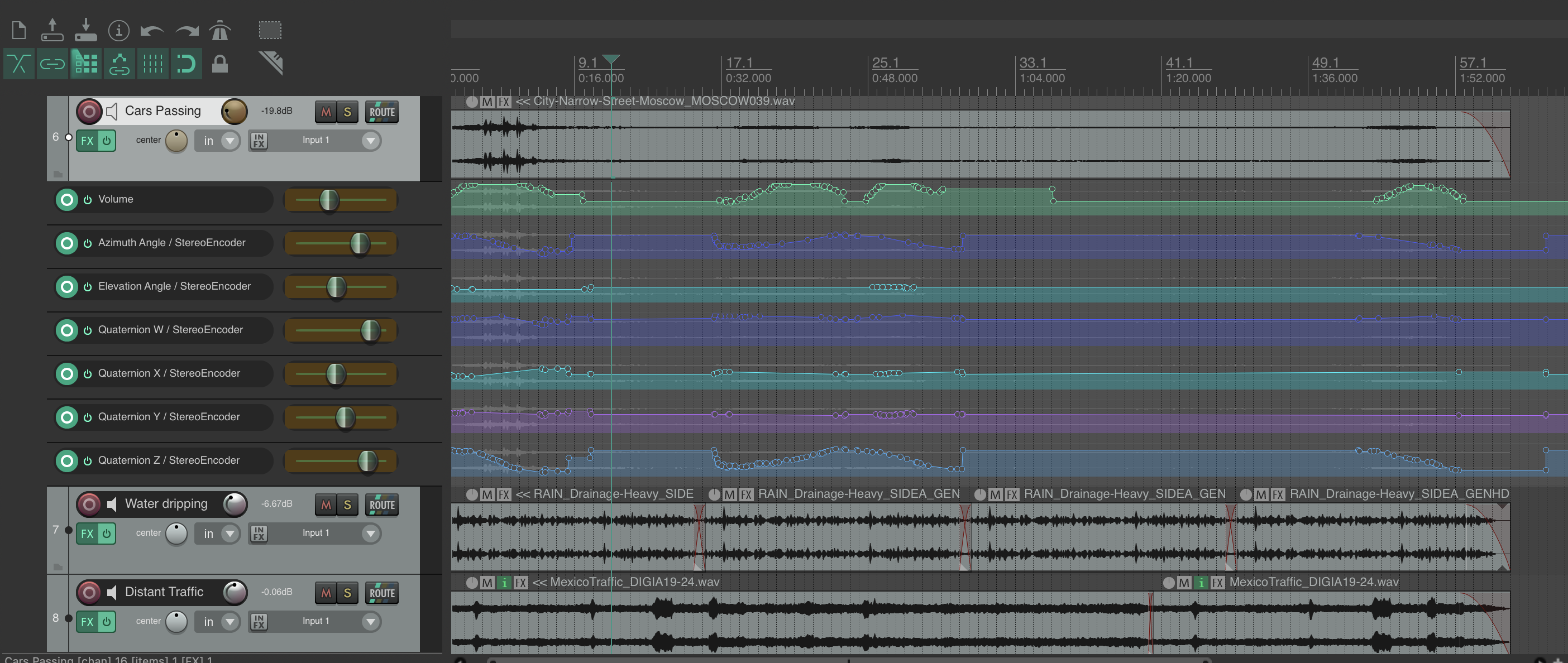
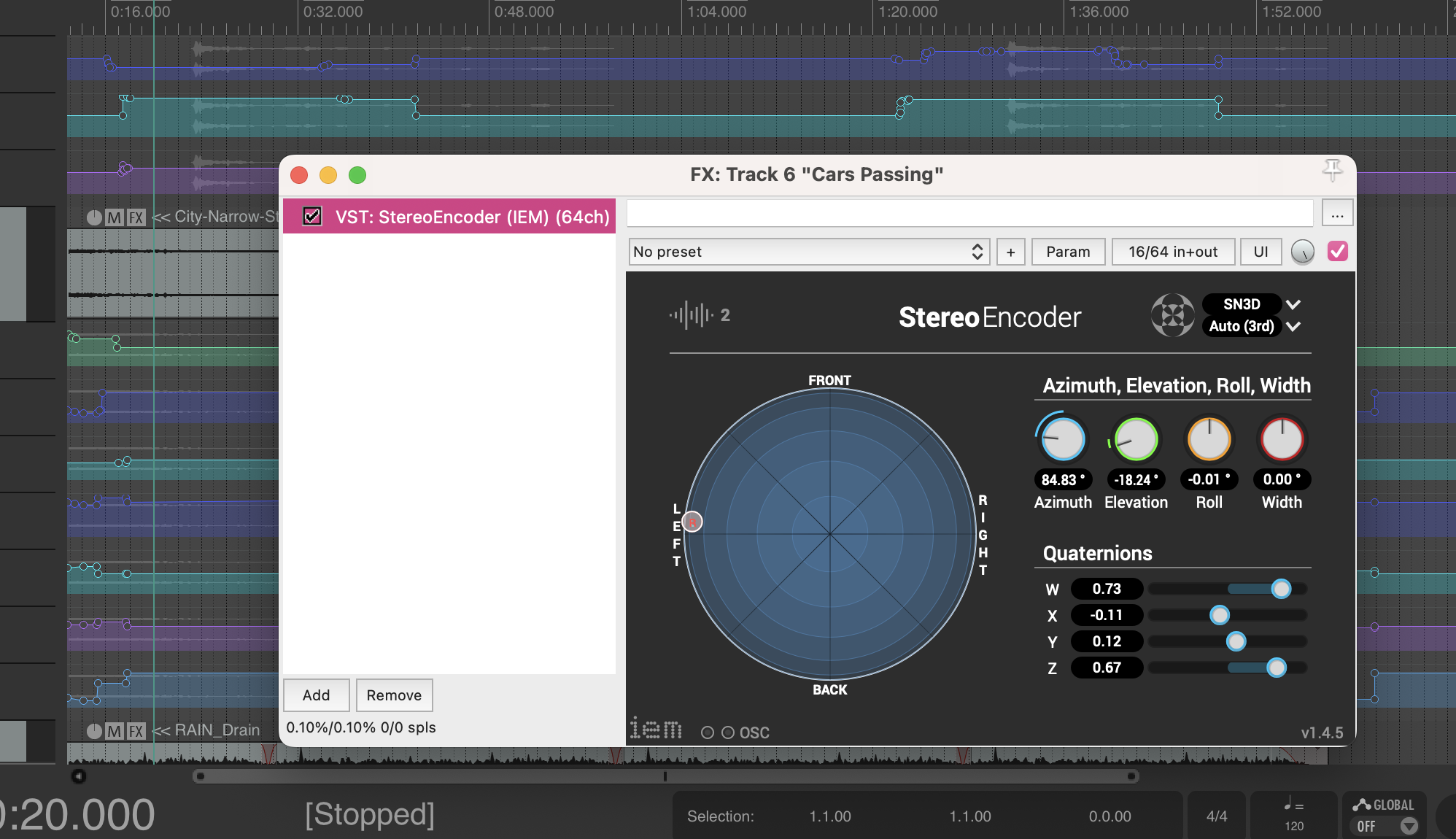
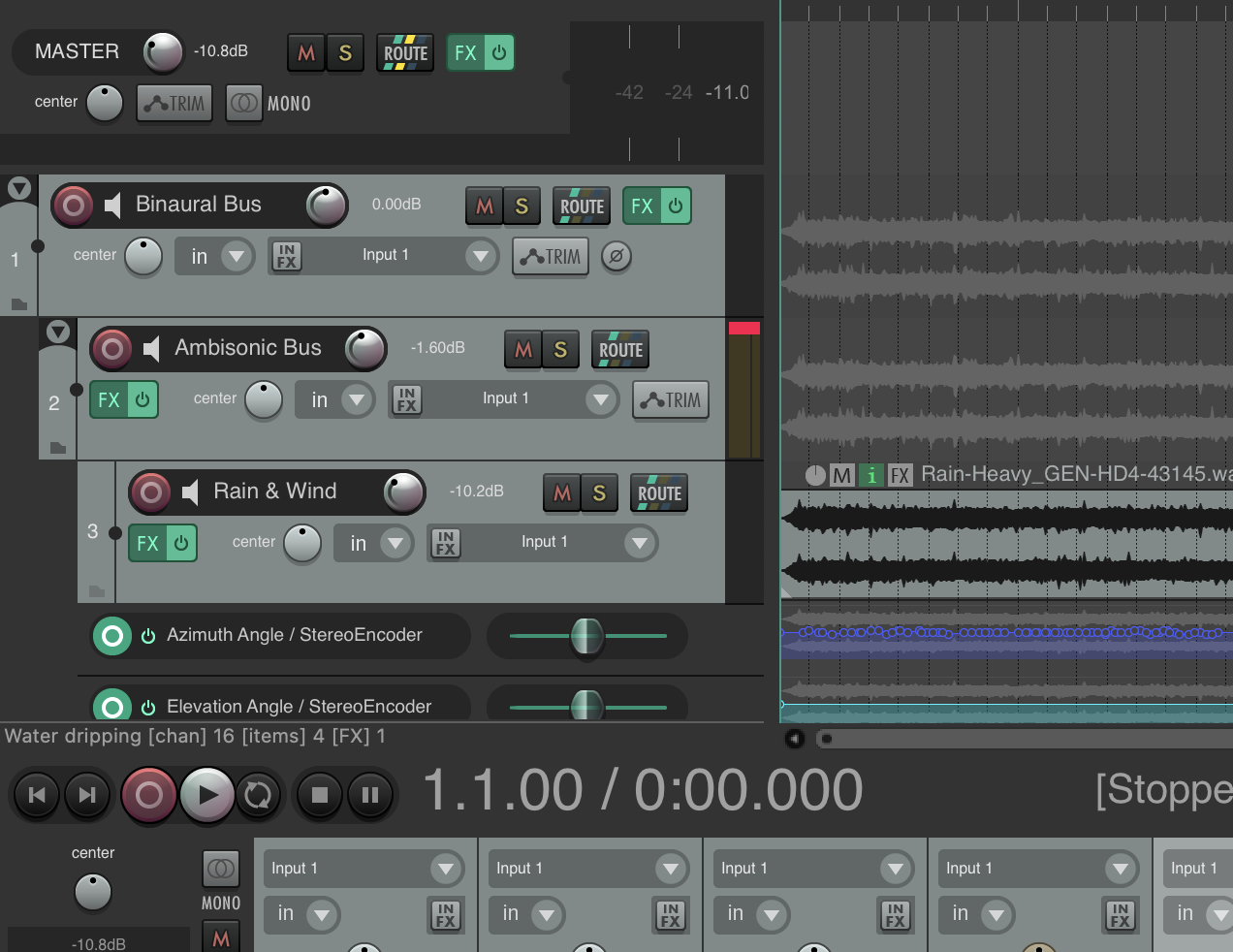
Three soundfields were developed using different spatial approaches, including binaural rendering and first-order ambisonics. Each environment was built through layered environmental sound, spatial positioning, and movement design to create a distinct sense of place and immersion.

Process & Development

Development process

The process focused on environmental concept development, spatial planning, and the careful balancing of foreground, midground, and background detail so each soundfield felt distinct and immersive.

Environmental concept & planning

Defined the atmosphere, movement, and sonic identity of each location before building the soundfield structure.

Layering & spatial placement

Combined location-specific sound elements with binaural and ambisonic positioning to create depth, direction, and motion.

Refinement & rendering

Refined environmental balance and rendered each piece for immersive listening, with attention to realism, openness, and clarity.

Applications / Results

Real-world application

These soundfields were designed to show how spatial audio can function in immersive, screen-based, and installation contexts where environmental realism matters.

The project demonstrates how spatial audio can construct a sense of place without visual support. Through three distinct soundfields, it shows how binaural rendering and first-order ambisonics can shape depth, direction, and environmental realism, from intimate headphone-based listening to wider immersive audio experiences.

Credits

Credits

Spatial Audio Design & Editing: Serena Muré
Production Tools: Pro Tools, Reaper
Sound elements sourced from: Westar Music

Project Focus

Key areas

Binaural audio, first-order ambisonics, environmental realism, spatial placement, immersive listening, atmospheric depth, and sonic world-building.